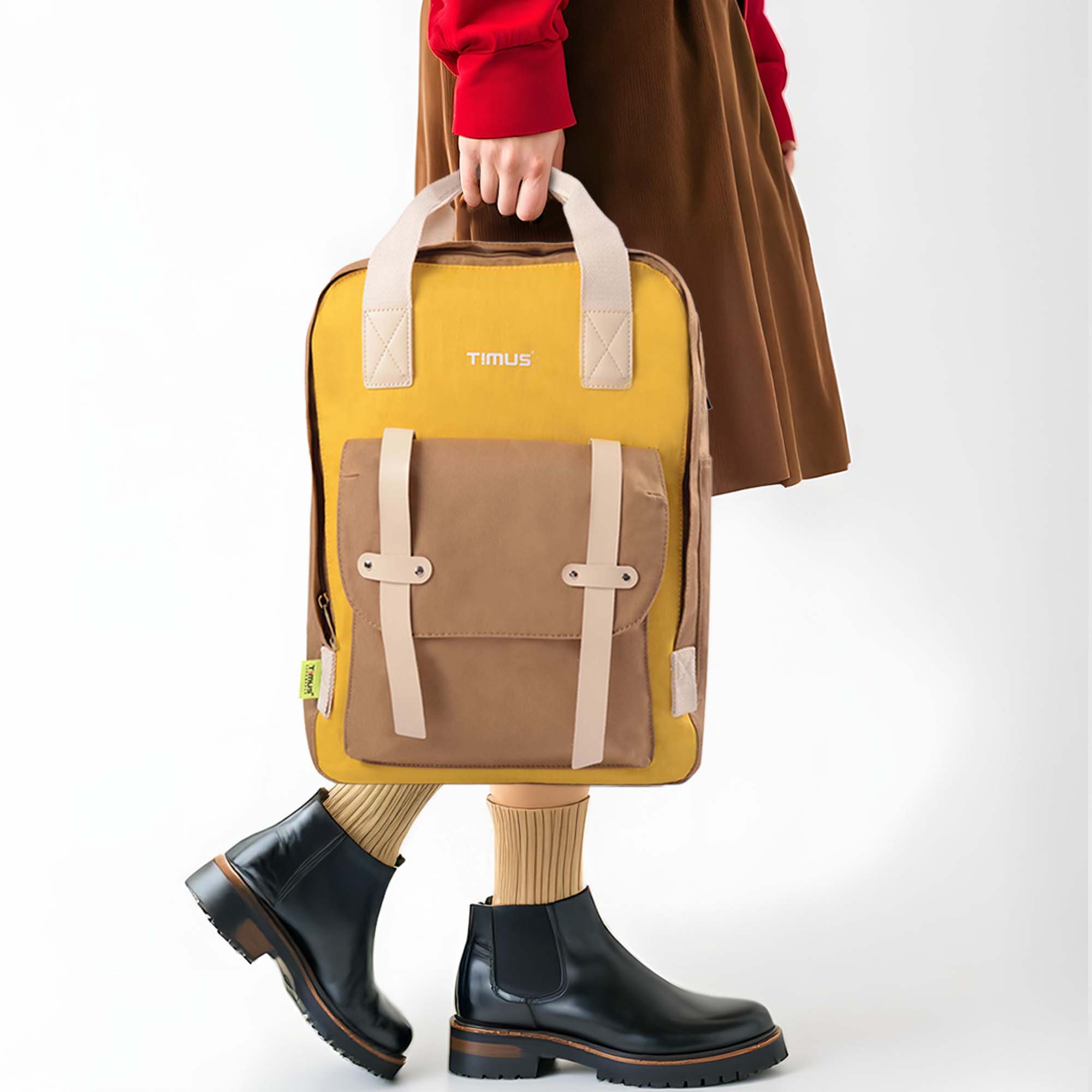

Trekking Essentials: Choosing the Right Backpack for Himalayan Spring Trails This April
April is undoubtedly one of the best months to experience the Himalayas. As winter snow begins to retreat, iconic trekking routes across North India reopen with breathtaking views, blooming rhododendrons, and crisp mountain air. From the Great Himalayan Trail circuit in Himachal Pradesh to the scenic Chopta-Tungnath route in Uttarakhand, spring transforms these trails into a trekker’s paradise.
Whether you're planning a challenging high-altitude expedition or a short weekend escape, choosing the right backpack is one of the most important decisions you’ll make. The wrong bag can lead to discomfort, poor weight distribution, and unnecessary fatigue especially on steep Himalayan climbs.
This guide will help you choose the perfect trekking backpack while also showing how an urban backpack or casual backpack can complement your overall travel setup.
Why Backpack Choice Matters for Himalayan Treks
The Himalayas are stunning, but they are equally demanding. Sudden weather changes, long hours of walking, steep ascents, and rocky descents require a backpack that offers comfort, durability, and functionality.
A poorly structured bag can strain your shoulders and back, while the right one enhances balance and makes the trek far more enjoyable.
The Most Important Specification: Backpack Capacity
The first thing to consider is capacity, measured in liters.
Day Treks (20–30 Liters)
For shorter day hikes lasting 8–10 hours, a 20–30 liter backpack is ideal.
This size easily accommodates:
- Water bottles or hydration bladder
- Snacks and energy bars
- Extra jacket or fleece
- First-aid essentials
- Phone, power bank, and map
This is where a well-designed urban backpack can sometimes double as a lightweight trekking companion for easy trails and base camp walks.
Overnight Treks (35–45 Liters)
For routes like:
- Kedarnath Trek
- Valley of Flowers approach trails
- Chopta overnight stays
A 35–45 liter backpack works best.
It provides enough space for:
- Clothing layers
- Toiletries
- Food essentials
- Extra footwear
- Sleeping liner
The Timus Magnet Overnighter Backpack is a strong option here, especially for trekkers who need a balance between functionality and lightweight portability.
Multi-Day Expeditions (50–65 Liters)
For week-long Himalayan routes or high-altitude expeditions, opt for 50–65 liters.
These bags are built for:
- Maximum storage
- Technical gear
- Better load distribution
- Hip belt support
- Trekking pole attachments
At this stage, you’re moving into serious trekking and mountaineering gear territory.
Weight: Your Biggest Enemy at Altitude
At higher altitudes, every kilogram matters.
A heavy backpack can significantly increase fatigue and slow your pace. Ideally, your backpack should weigh under 1.5 kg when empty.
This allows you to comfortably carry:
- 3–5 kg of essentials
- Food supplies
- Warm clothing
- Emergency gear
Lightweight yet durable designs are crucial for spring Himalayan treks.
Back Support and Load Distribution
This is where many trekkers make mistakes.
A trekking backpack must have:
- Padded shoulder straps
- Breathable back panel
- Chest strap
- Hip belt
- S-curve ergonomic design
The hip belt is especially important because it shifts the load from your shoulders to your hips, reducing upper body strain during long climbs.
Must-Have Features for Himalayan Trekking
Before choosing a bag, make sure it includes these essential features:
Water-Resistant Fabric
Mountain weather changes rapidly in April. Sudden rain or snow showers are common.
Trekking Pole Loops
A must-have for steep ascents and rocky descents.
Side Water Bottle Pockets
Easy hydration access without stopping.
Multiple Grab Handles
Helpful for lifting the bag over rocks or into transport vehicles.
Top Quick-Access Compartment
Perfect for:
- Snacks
- Mobile phone
- Trail map
- Gloves
- Sunglasses
What to Pack for a Spring Himalayan Trek
Here’s a practical packing list for April Himalayan trails:
- Thermal base layer
- Fleece jacket
- Waterproof shell
- Wool beanie
- Sun cap
- Trekking gloves
- Quick-dry trousers × 2
- Wool socks × 3
- Waterproof trekking boots
- Gaiters
- SPF 50+ sunscreen
- UV sunglasses
- Lip balm
- Diamox / altitude medication
- Electrolytes
- Energy bars
- Water purification tablets
- Headlamp
- Extra batteries
- Compact sleeping bag liner
Why an Urban Backpack or Casual Backpack Still Matters
A trek isn’t only about the trail.
You also need a practical bag for:
- Airport transit
- Delhi / Chandigarh travel
- Hotel stays
- Base camp exploration
- Sightseeing before and after the trek
This is where an urban backpack becomes extremely useful.
For example, the Timus Chicago Backpack or Miami Backpack works perfectly as a casual backpack for city travel, train journeys, and local movement around the base camp town.
Unlike technical trekking packs, these are more stylish, versatile, and convenient for daily use.
They are excellent for carrying:
- Laptop
- Chargers
- Documents
- Casual clothing
- Snacks
- Travel accessories
This dual-bag approach is ideal for modern travelers.
Final Thoughts
The Himalayas always reward those who prepare well.
Choosing the right trekking backpack can dramatically improve your comfort, endurance, and overall travel experience. Pairing your trekking gear with a reliable urban backpack or casual backpack ensures seamless travel from city transit to mountain trails.
Before you begin your April Himalayan adventure, make sure your backpack is built for both performance and convenience.
Explore the full Timus Backpack Range and get ready for the trails ahead.